What a Digital Marketing Strategist Actually Does And Why Businesses Need One in 2026
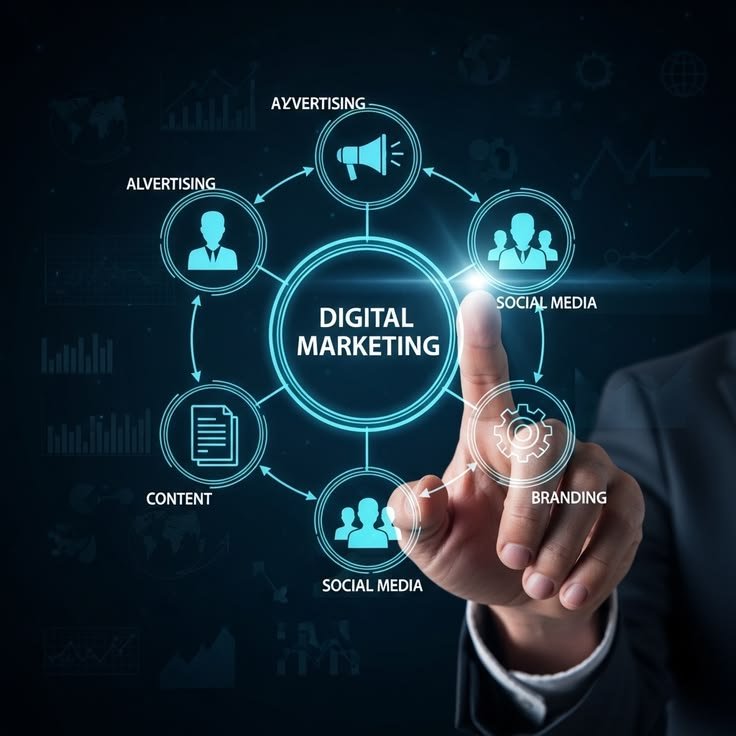
What a Digital Marketing Strategist Does in 2026
Many businesses say they are doing digital marketing. They post on social media, run ads occasionally, and try to stay active online. Still, growth feels slow, confusing, or inconsistent. This often leads to one common question — why isn’t digital marketing working the way it’s supposed to?
In most cases, the problem is not effort or budget. It’s the absence of clear strategy. This is where the role of a digital marketing strategist becomes important.
This blog explains what a digital marketing strategist actually does, how the role is different from regular digital marketing work, and why this approach matters more than ever in 2026.
Digital Marketing Is No Longer Just Execution
Earlier, digital marketing was mainly about execution — posting content, running ads, or ranking websites. In 2026, the digital space is more mature. Platforms are crowded, audiences are selective, and algorithms reward relevance instead of volume.
Simply executing tasks without direction often results in wasted effort. Strategy is what connects individual actions into a system that supports business growth.
A digital marketing strategist focuses on this bigger picture.
What a Digital Marketing Strategist Actually Does
A strategist’s work begins long before posting content or launching ads. The first step is understanding the business itself.
This includes:
Understanding the business model and revenue goals
Identifying the right target audience and their behaviour
Studying the market, competitors, and positioning
Evaluating what is currently working and what is not
Only after this clarity comes planning.
Instead of asking “What should we post today?”, a strategist asks:
Why are we using this platform?
What problem are we solving for the audience?
How does this activity support business growth?
This shift in thinking is what separates strategy from random marketing.
Strategy Over Random Activity
Many businesses stay busy online but feel stuck. This usually happens when actions are driven by trends instead of purpose.
A strategist creates a clear roadmap that includes:
Choosing platforms based on audience relevance
Defining brand messaging and tone
Planning content with intent, not pressure
Using ads as support, not as the only solution
This approach reduces confusion and improves consistency.
Why This Role Matters More in 2026
In 2026, attention is limited and trust is fragile. Audiences can quickly recognise forced content, over-promotion, and copy-paste strategies.
A digital marketing strategist helps businesses:
Cut through noise with clarity
Focus on quality instead of quantity
Build long-term trust instead of chasing short-term spikes
Adapt strategies as platforms and algorithms evolve
Marketing today is less about being everywhere and more about being relevant.
The Difference Between a Marketer and a Strategist
A marketer usually focuses on execution — posting, designing, running campaigns, or managing tools.
A strategist focuses on direction deciding what to do, why to do it, and how it connects to business goals.
Both roles are important, but without strategy, execution often lacks impact.
Real Growth Comes From Clear Thinking
As a digital marketing strategist, the focus is always on simplifying the process for businesses. When goals are clear, platforms are chosen wisely, and messaging is consistent, marketing becomes easier to manage and easier to measure.
Growth then feels intentional, not accidental.
Final Thoughts
Digital marketing in 2026 is not about doing more. It’s about doing what matters.
Businesses don’t fail online because digital marketing doesn’t work. They struggle because strategy is missing.
A digital marketing strategist brings clarity, structure, and long-term direction turning digital efforts into meaningful business growth.
If you believe your business needs clarity more than noise, working with a digital marketing strategist is the right place to start.